
How ERP Systems Streamline Business Operations in 2026
In today's competitive business landscape, companies need to work smarter, not harder. Enterprise Resource Planning (ERP) systems have become essential tools for organizations of all sizes. They integrate all your business processes into one unified system, creating a single source of truth for your entire operation.
What Is an ERP System and Why It Matters
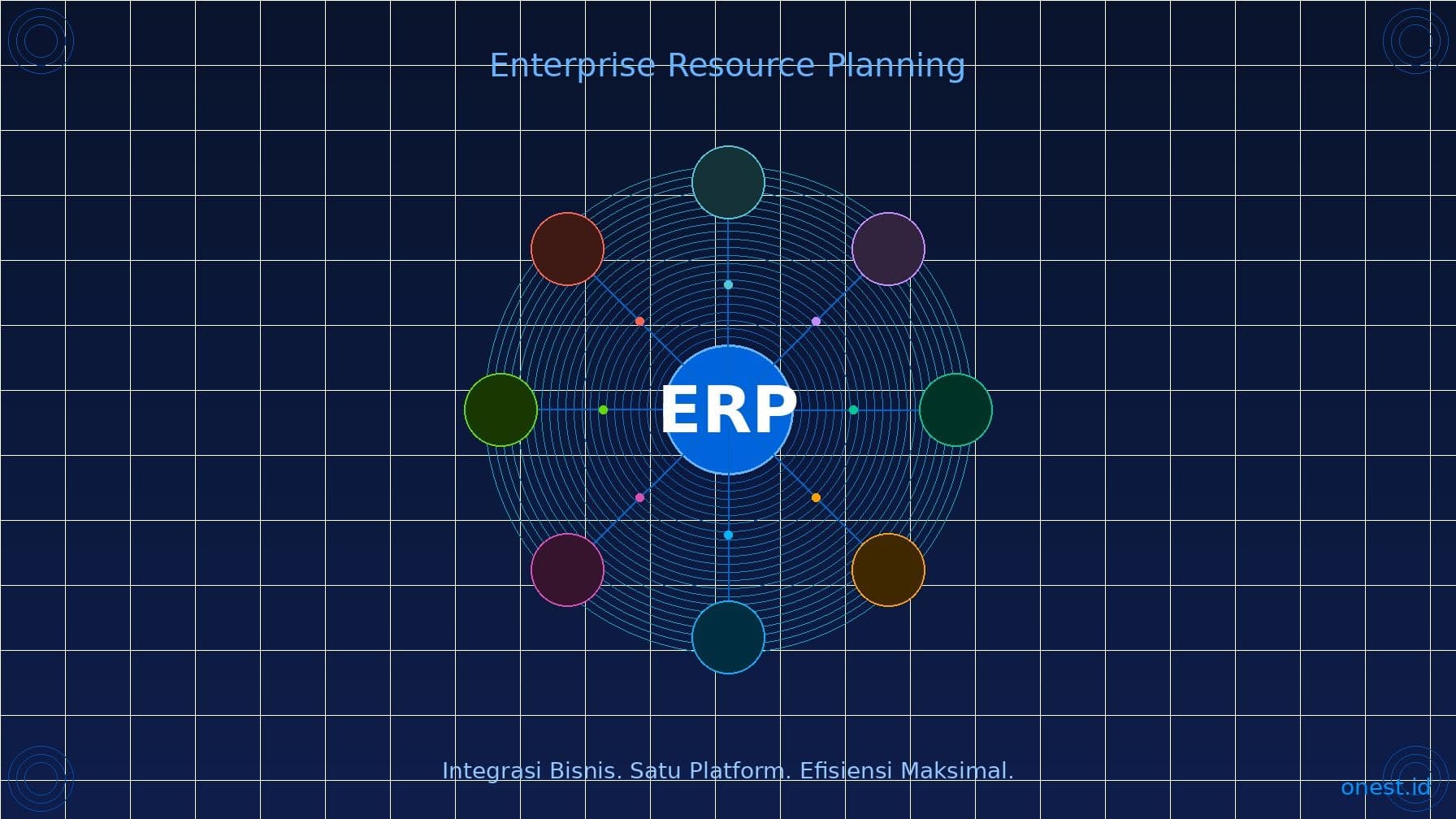
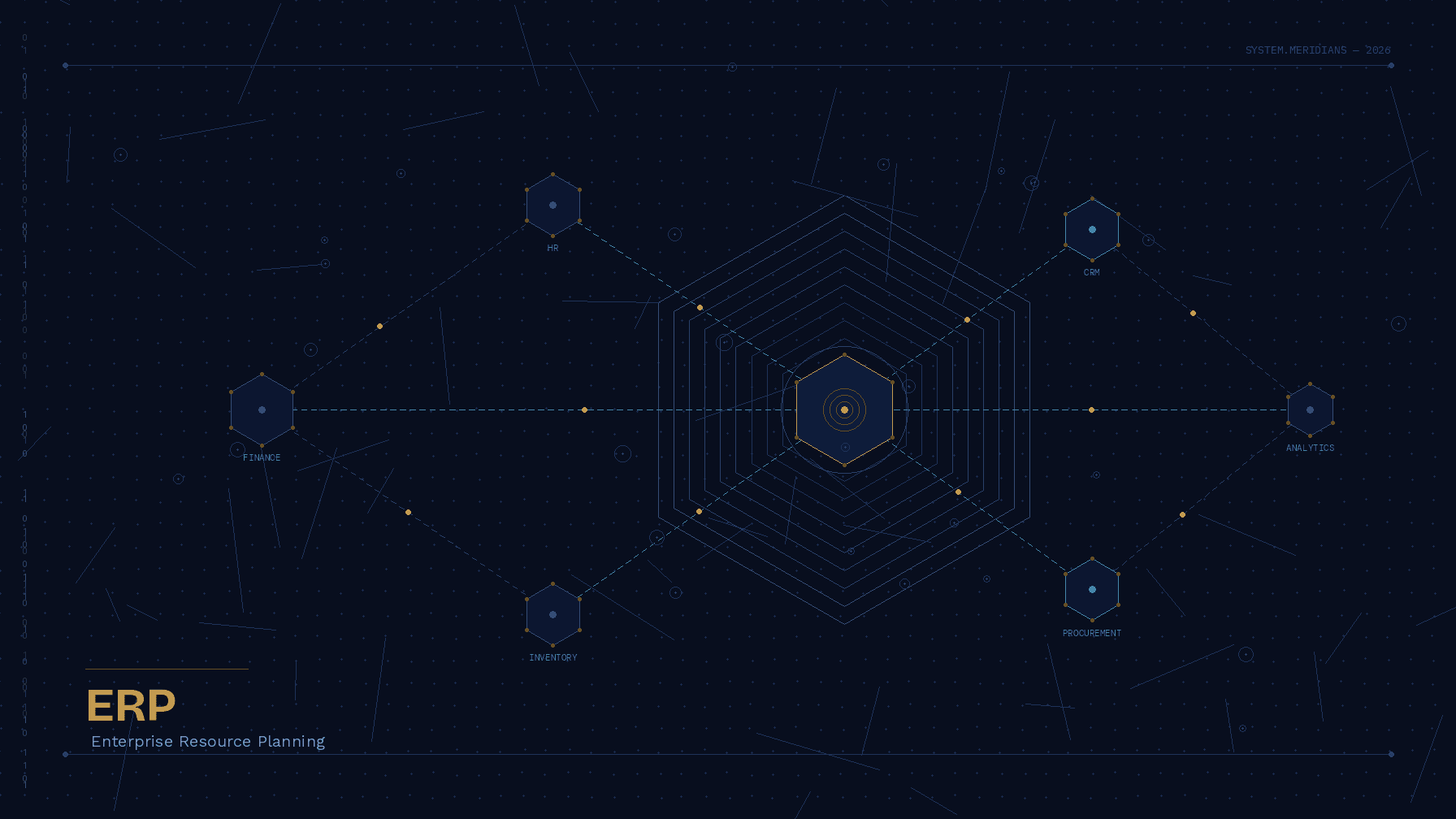
An ERP system connects every department—from finance and human resources to inventory and customer service—into one seamless platform. Instead of maintaining separate databases that don't communicate with each other, an ERP breaks down data silos and lets teams access real-time information instantly. This connectivity means finance can see production status, sales can check inventory levels, and management can generate accurate reports in minutes instead of days.
For small to medium-sized businesses, implementing an ERP system eliminates manual data entry errors that waste time and money. For larger enterprises, it enables better coordination across global offices and multiple business units.
Three Core Benefits That Drive ROI
First, improved decision-making. With instant access to reliable data across all operations, leaders make better strategic decisions. Instead of guessing based on outdated spreadsheets, you're making choices grounded in current facts.
Second, cost reduction. ERP systems reduce operational costs by automating routine tasks, minimizing data duplication, and preventing inventory waste. Many companies report 15-25% cost savings within the first two years of implementation.
Third, scalability and growth. As your business expands, an ERP grows with you. You don't need to restructure your entire technology stack when you open a new location or enter a new market—your ERP adapts to support new departments and operations seamlessly.
Getting Started with ERP in 2026
The ERP landscape has evolved dramatically. Cloud-based solutions now dominate, offering flexibility, lower upfront costs, and faster deployment than traditional on-premise systems. Whether you're a startup looking to build strong operational foundations or an established company modernizing legacy systems, there's an ERP solution that fits your needs and budget.
The key is choosing a solution that aligns with your business goals and provides strong vendor support for implementation and ongoing optimization.
Ready to transform how your business operates? The right ERP system isn't just a software investment—it's the backbone of operational excellence.